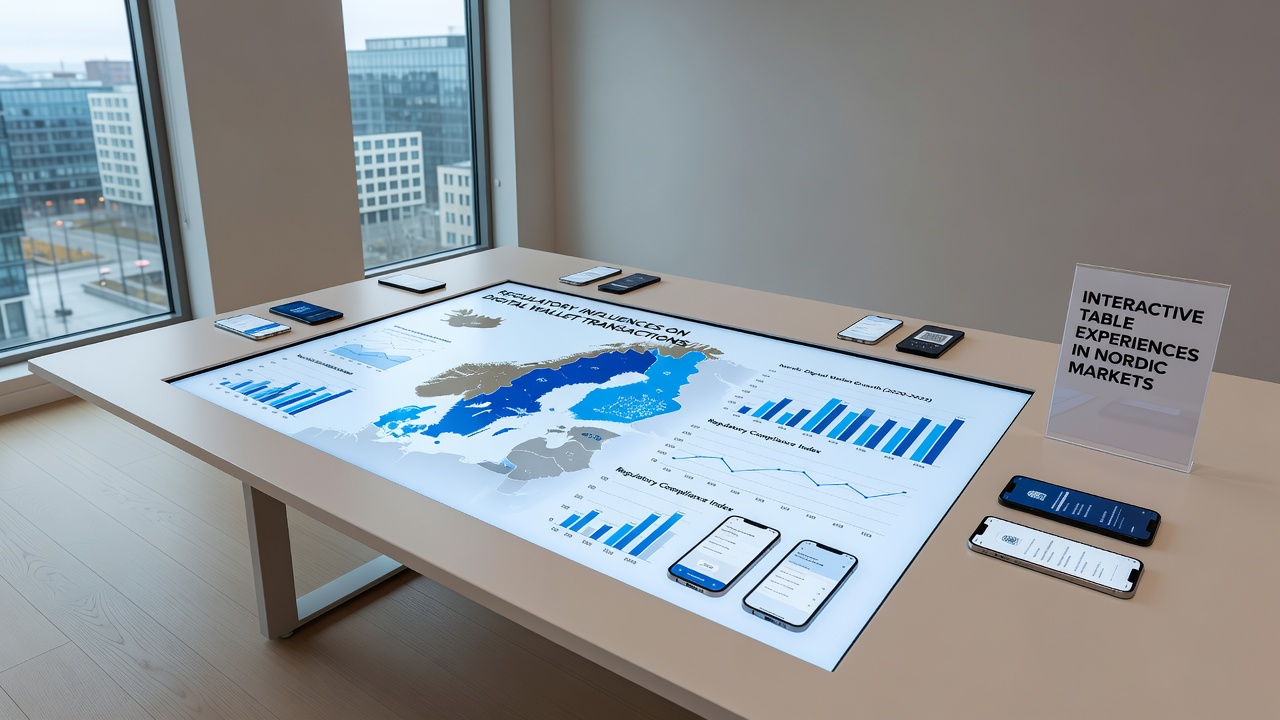
Regulatory Influences on Digital Wallet Transactions for Interactive Table Experiences in Nordic Markets
Digital wallet transactions have become central to interactive table experiences across Nordic markets where operators must navigate layered regulations that shape payment flows, verification processes, and cross-border data handling. Observers note that Sweden, Denmark, Norway, and Finland each maintain distinct licensing regimes that directly affect how real-time table sessions process deposits and withdrawals through services such as Swish, MobilePay, and emerging account-to-account solutions.
Core Regulatory Frameworks Across the Region
Swedish authorities require licensed operators to integrate payment providers that comply with strict anti-money laundering checks at every transaction stage, while Danish rules emphasize consumer protection layers that cap wallet balances tied to live dealer tables. Norwegian restrictions limit foreign operators yet still influence domestic wallet integrations through state-controlled channels, and Finnish frameworks focus on data localization that keeps transaction records within national borders during interactive sessions.
These frameworks intersect with broader European payment directives that standardize secure authentication for digital wallets. Researchers have documented how updates to the revised Payment Services Directive altered verification timelines for Nordic users accessing live table environments, creating uniform technical requirements that operators must meet regardless of local licensing.
Impact on Interactive Table Payment Flows
Interactive table experiences rely on instant wallet transfers to maintain game continuity, yet regulations often insert mandatory cooling periods or enhanced due diligence triggers after certain volume thresholds. Data from industry monitoring groups shows that Swedish platforms reported extended processing windows for wallet-based bets on roulette and blackjack tables following 2025 compliance audits, while Danish operators adjusted withdrawal limits to align with updated responsible gaming protocols.

Operators in Finland have faced additional requirements around transaction logging that connect each wallet interaction to player identity records maintained by the national gaming authority. This approach reduces friction in dispute resolution but increases backend system demands during peak evening table sessions. In October 2026 several platforms completed migrations to updated API standards that synchronize wallet approvals with real-time regulatory feeds, allowing smoother handling of multi-table play without repeated identity prompts.
Cross-Border and Technological Considerations
Wallet providers operating across Nordic borders must reconcile differing tax reporting obligations that attach to each transaction, particularly when players move between regulated markets. A study published by the European Commission on digital finance outlines how these reporting layers affect settlement speeds for interactive table winnings transferred via digital wallets. Meanwhile, comparisons with North American regulatory models, including those detailed in reports from the National Council on Problem Gambling, highlight how Nordic emphasis on centralized verification differs from more fragmented state-level approaches elsewhere.
Technological adaptations include wallet solutions that embed regulatory flags directly into transaction metadata, enabling automated compliance checks before funds reach live dealer interfaces. Those who have studied these systems observe that such integrations reduce manual review burdens while preserving the speed expected in interactive table formats.
Developments Through Late 2026
By October 2026 regulatory bodies in the region had begun pilot programs testing unified wallet standards that could streamline operations for operators licensed in multiple Nordic jurisdictions. Early results indicate reduced duplication in know-your-customer processes when players switch between table environments hosted under different national rules. Continued monitoring will determine whether these pilots expand into permanent frameworks that further align digital wallet usage with evolving interactive table requirements.
Conclusion
Regulatory structures in Nordic markets continue to define the boundaries within which digital wallet transactions support interactive table experiences. Each jurisdiction contributes specific compliance elements that operators incorporate into payment infrastructure, while broader European directives provide common technical baselines. Ongoing adjustments through 2026 reflect efforts to balance transaction efficiency with oversight demands that remain central to the sector.