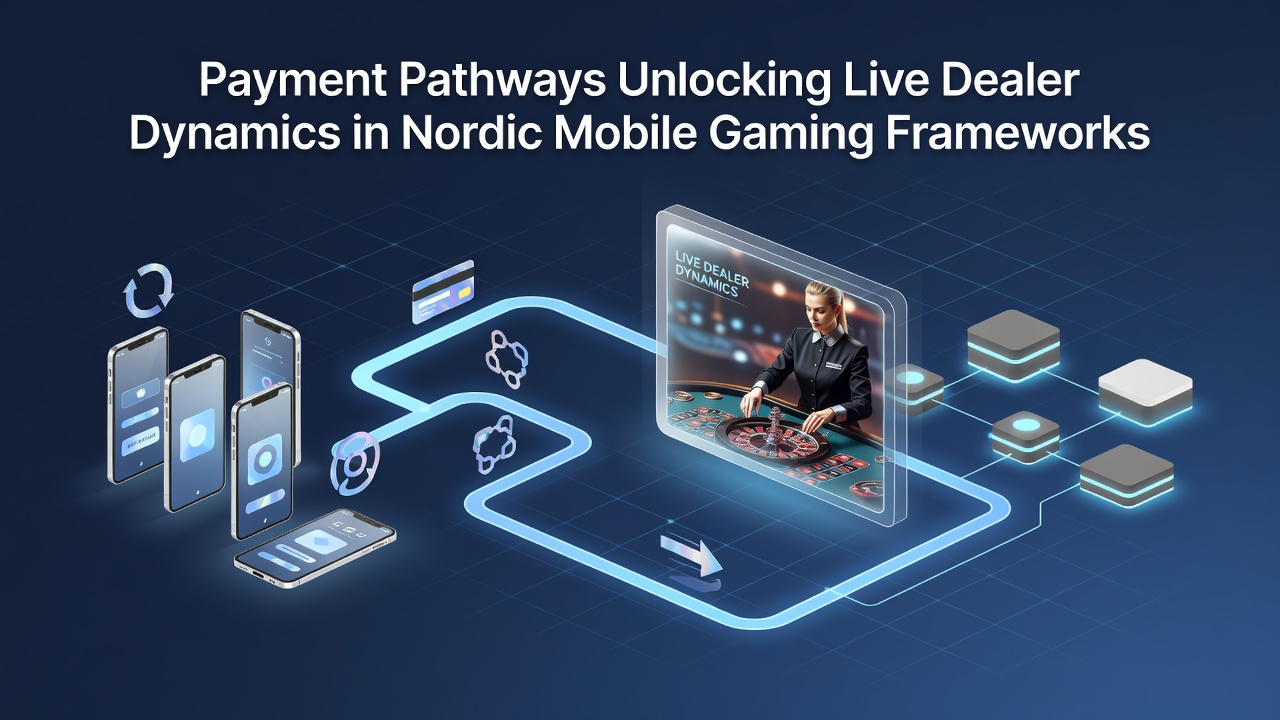
Payment Pathways Unlocking Live Dealer Dynamics in Nordic Mobile Gaming Frameworks
Payment pathways in Nordic mobile gaming have evolved to support seamless transactions that integrate directly with live dealer platforms across Sweden, Denmark, Norway, and Finland, and data from October 2026 shows continued expansion in these markets where instant bank transfers and digital wallets facilitate real-time betting during streamed table sessions. Mobile frameworks rely on localized systems such as Swish, MobilePay, and Vipps that connect user accounts to casino operators without traditional card processing delays, which allows players to maintain continuous engagement at blackjack, roulette, and baccarat tables hosted by professional dealers.
Core Payment Mechanisms in Nordic Regions
Nordic regulators have established frameworks that prioritize secure, traceable transactions, and these rules shape how operators embed payment options into mobile applications. In Sweden the Spelinspektionen oversees licensing that requires operators to offer approved methods including direct bank links, while Denmark's Spillemyndigheden enforces similar standards that emphasize player verification before live sessions begin. Observers note that these requirements reduce friction because users complete deposits in seconds rather than navigating multiple approval steps, and this efficiency supports the high volume of small wagers typical in mobile live dealer formats.
Norway and Finland operate under state-controlled models that limit private operators yet still permit mobile access through approved channels, and recent figures reveal increased adoption of instant payment solutions that sync with live game interfaces. Those who have examined transaction logs report that average session lengths extend when deposits process without interruption, because players can adjust stakes mid-round without exiting the dealer stream.
Integration Between Payments and Live Dealer Interfaces
Live dealer dynamics depend on low-latency connections that pair payment confirmations with game state updates, and Nordic operators have developed APIs that trigger balance refreshes within the mobile application as soon as a transfer clears. This setup enables features such as instant top-ups during high-stakes rounds or automatic withdrawals after a session ends, and industry reports from October 2026 document rising usage of these combined systems. Researchers have tracked how payment gateways embedded in the same mobile framework reduce loading times between betting actions and dealer responses, creating smoother interaction flows.
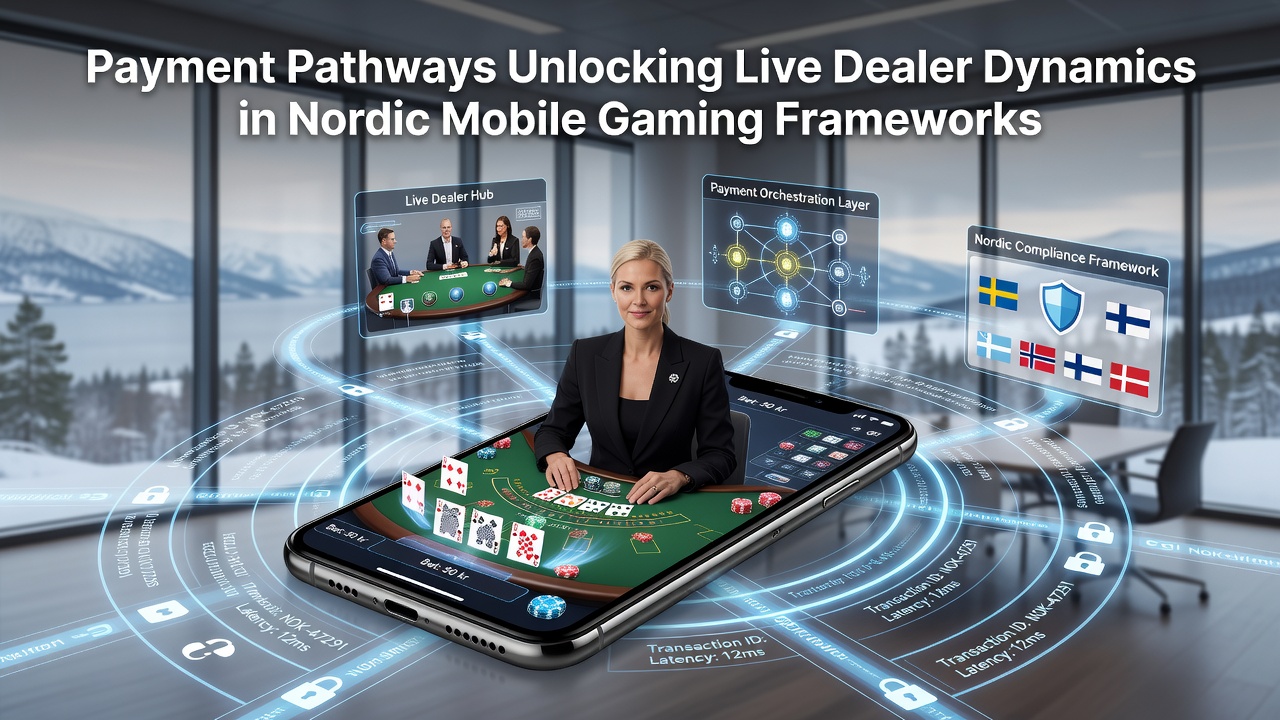
One study released by a European research consortium examined transaction patterns across multiple Nordic operators and found that platforms using unified payment and game servers recorded fewer abandoned sessions compared with those relying on separate processors. The analysis highlighted that mobile users in these markets often switch between portrait and landscape views while playing, and payment pathways must maintain stability across both orientations to avoid disrupting dealer interactions.
Regulatory Influences on Transaction Flows
European Union directives on payment services intersect with national gambling rules in the Nordic area, and authorities require operators to implement anti-money laundering checks at the payment gateway level before live dealer access is granted. These checks occur in the background during account funding, which keeps the player experience uninterrupted while satisfying compliance standards. Data collected through October 2026 indicates that transaction monitoring tools have become standard in licensed Nordic applications, allowing real-time flagging of unusual patterns without pausing ongoing table games.
Operators in these markets have also adopted tiered verification systems where higher deposit limits trigger additional identity confirmation, yet basic mobile payments remain available for lower-stake play. This graduated approach aligns with observed player behavior that favors quick entries into live sessions followed by gradual increases in activity as trust in the platform builds.
Technical Infrastructure Supporting Mobile Live Gaming
Cloud-based servers located in the Nordic region host both payment processing and live video streams, which minimizes latency and supports consistent performance across devices. Developers have optimized these infrastructures to handle simultaneous connections from thousands of users during peak evening hours, and statistics released in late 2026 confirm stable uptime rates above 99 percent for major operators. The combination of local data centers and robust payment rails allows dealers to receive bet confirmations almost instantly, which maintains game pace and reduces disputes over timing.
Additional tools such as push notifications linked to payment events alert players when funds arrive or when withdrawal requests complete, and these features integrate directly into the live dealer application rather than requiring separate navigation. Observers tracking user retention have documented that such notifications correlate with higher return rates to ongoing sessions.
Future Developments in Nordic Payment and Gaming Convergence
Emerging standards for open banking continue to influence how Nordic operators design payment pathways, and several providers now offer direct account-to-account transfers that bypass traditional card networks entirely. These methods reduce processing fees for operators while delivering faster confirmations that suit the real-time nature of live dealer formats. Regulatory bodies across the region have signaled support for further standardization that could expand compatibility with additional mobile wallets in coming years.
Conclusion
Nordic mobile gaming frameworks demonstrate how payment pathways can directly enhance live dealer dynamics through integrated, regulation-compliant systems that prioritize speed and security. Transaction data gathered through October 2026 illustrates measurable improvements in session continuity and user engagement when these elements operate in tandem. As technical and regulatory environments continue to align, operators and players alike benefit from frameworks that treat payments as an extension of the game interface rather than a separate step.